-
Your shopping cart is empty!
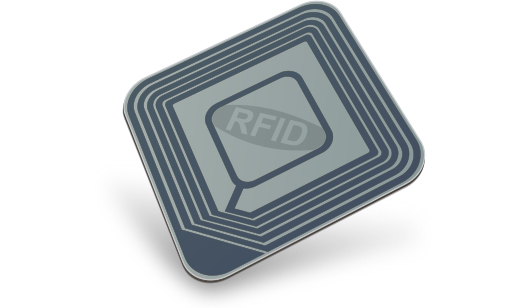

An RFID tag is a sensor tag or small chip that’s embedded in or attached to an item and can be read through radio waves. The contactless capabilities of RFID enables the syncing of digital information for functions like inventory tracking, asset management, access control, customer support and loss control, and data sharing.
RFID systems have both technological and economic advantages. They are easy to use and can be implemented in close proximity or at an unseen distance. It can provide real-time information on how individual assets are used and their location. In addition, it can trigger notifications and alarms if an asset is removed from its location via unique identifiers and facilitates automatic scanning, data logging with less chance of errors and -- without human intervention
An RFID solution is a financially sound option for streamlined efficiency. RFID systems can improve process efficiency and save money. They can significantly boost productivity as little or minimum product monitoring is needed and assets and information are by default managed more efficiently. With better reliability, visibility and traceability and fewer errors, it is not surprising that it is fast being adopted by government and business from healthcare to manufacturingand education
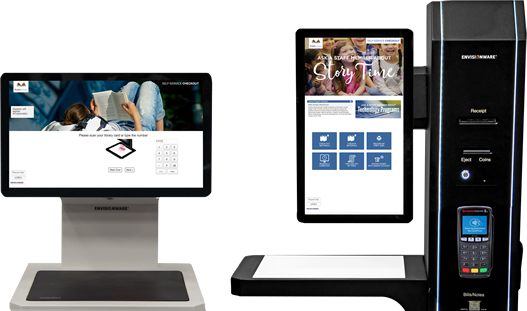
We offer a 360-Degree comprehensive set of custom solutions to help libraries transition to RFID technology. Transitioning your library to RFID can be transformative. Big business and now more and more companies and organizations including libraries are using RFID to revolutionize their logistics, access control, identification, product tracking, payments and asset management. School libraries can and should adopt this technology to automate, monitor and manage a wide range of important functions as well.
From tracking your inventory and automating patron visits and to reducing manual data entry, here is a list of our RFID Library Solutions: